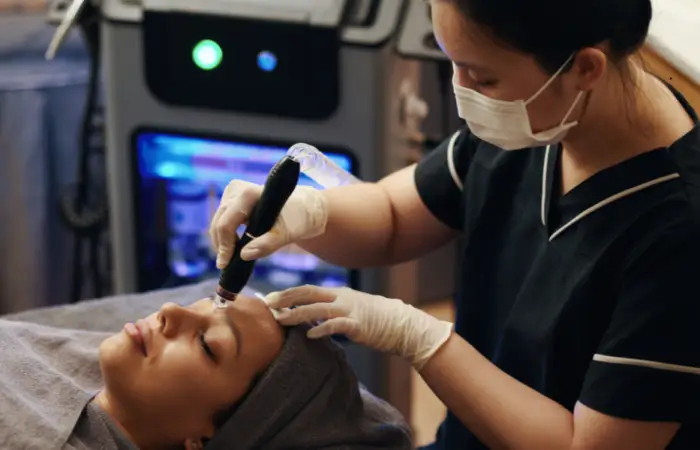
Recovery is a normal part of the process, and how you care for your skin during this window has a direct impact on your final results. The good news is that with the right approach, you can support faster healing and get back to your routine sooner than you think.
This guide covers exactly what to do (and what to avoid) during every stage of CO2 laser recovery.
A Quick Refresher on CO2 Laser Resurfacing
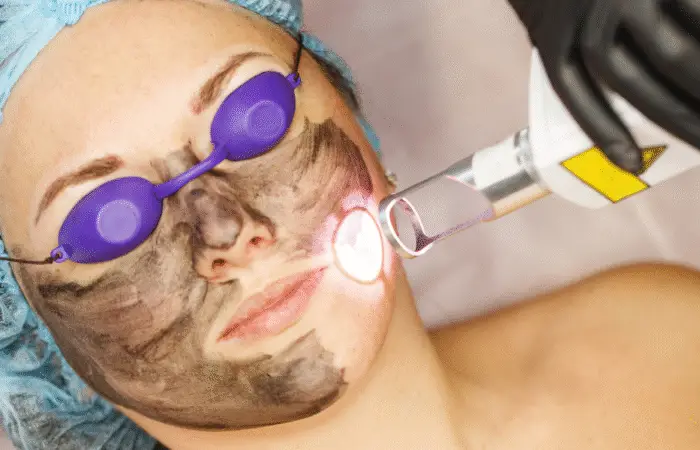
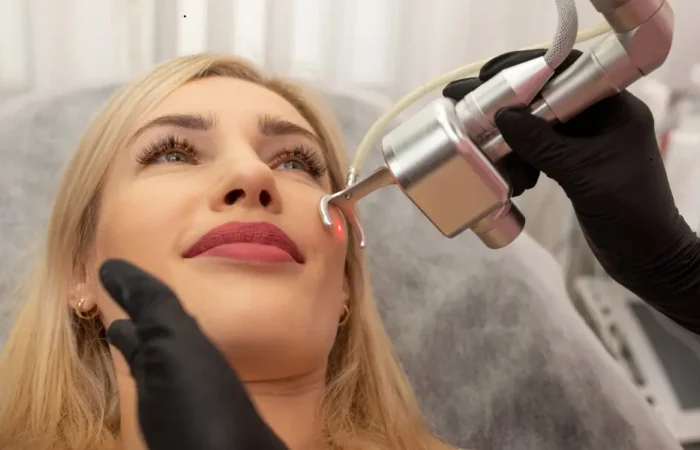
CO2 laser resurfacing uses focused light energy to remove damaged skin and stimulate fresh collagen production. At Northville Beauty Spa, we use the Helix CO2 Laser, a fractional system that creates tiny channels in the skin to trigger your body’s natural repair process.
The treatment is effective for fine lines, acne scars, sun damage, and uneven texture. Because it works beneath the surface, the skin needs time to rebuild. That rebuilding phase is your recovery period.
Learn more about Helix CO2 Laser in Northville, MI.
What Healing Actually Looks Like
Before jumping into tips, it helps to know what normal recovery looks like.
Here is a general timeline based on what most of our clients experience:
| Timeframe | What You Will Notice | What Is Happening |
| Days 1 to 3 | Redness, warmth, swelling, oozing | Skin begins its acute healing response |
| Days 4 to 7 | Peeling, flaking, tightness | Old damaged layers shed as new skin forms beneath |
| Week 2 | Lingering pinkness, smoother texture | Fresh skin emerges and collagen production ramps up |
| Weeks 3 to 6 | Pinkness fades, skin looks brighter | Collagen remodeling continues beneath the surface |
Every person heals differently depending on skin type, treatment depth, and aftercare habits. Your provider at Northville Beauty Spa will give you a personalized timeline during your consultation.

Faster Healing Starts Before Your Appointment
Preparation matters more than most people realize. Skin that is healthy and well-hydrated going into treatment has a better foundation for recovery.
- Moisturize consistently
Keep your skin hydrated with a gentle, fragrance-free moisturizer for at least two weeks before treatment.
- Stop retinoids and exfoliants
Discontinue retinol, glycolic acid, salicylic acid, and physical scrubs at least one week before your session.
- Wear SPF daily
Sunburned or tanned skin is more vulnerable to complications and longer recovery times.
- Stay hydrated and eat well
Water, lean protein, and antioxidant-rich foods support your skin from the inside.
- Avoid blood thinners
Check with your provider about aspirin, ibuprofen, and supplements like fish oil before your appointment.
The First 72 Hours: What Matters Most
The initial three days after treatment are the most important window for healing. This is when your skin is most vulnerable, and the care you give it sets the tone for the rest of recovery.
- Apply healing ointment consistently
Your provider will recommend a barrier ointment or medical-grade moisturizer. Use it every few hours to keep skin moist and protected.
- Use cool compresses for swelling
A clean, damp cloth (not ice directly on skin) can reduce puffiness and ease discomfort.
- Sleep with your head elevated
An extra pillow helps reduce overnight swelling, especially around the eyes and forehead.
- Keep your hands off your face
No touching, picking, or peeling. The skin needs to shed on its own timeline.
- Skip makeup entirely
Cosmetics can clog pores and introduce bacteria during this fragile phase.
Days 4 Through 7: Supporting the Shedding Phase
By day four, the peeling stage kicks in. This is actually a positive sign. It means new skin is forming underneath.
- Let flakes fall naturally
Pulling or scrubbing at peeling skin can cause scarring or uneven healing.
- Continue with gentle moisturizer
Switch from ointment to a hydrating, fragrance-free cream once your provider gives the go-ahead.
- Cleanse carefully
Use a mild, soap-free cleanser. Pat dry with a soft towel instead of rubbing.
- Drink plenty of water
Hydration from the inside supports the new skin cells forming at the surface.
Week Two and Beyond: Building on Your Progress
By the second week, the worst of the peeling is behind you. Your skin is still healing beneath the surface, though, so staying consistent with aftercare is key.
- Introduce SPF as soon as your provider clears it
- Stay out of direct sunlight
- Avoid active skincare ingredients
- Keep your skincare routine simple
What to Avoid During Recovery
Certain habits and products can slow healing, increase the risk of complications, or compromise your results.
- Smoking
Nicotine restricts blood flow and delays tissue repair.
- Alcohol
It dehydrates the skin and can increase inflammation.
- Intense exercise
Sweating can irritate raw skin and introduce bacteria. Wait at least five to seven days before resuming workouts.
- Hot showers, saunas, and steam rooms
Heat increases swelling and can disrupt the healing process.
- Swimming pools and hot tubs
Chlorine and bacteria are a recipe for infection on freshly treated skin.
- Harsh skincare products
Scrubs, peels, toners with alcohol, and anything with fragrance should stay off your shelf until you are fully healed.
How Nutrition and Lifestyle Support Healing
Your skin repairs itself using the nutrients and energy your body provides. Small adjustments to your daily habits can make a measurable difference in recovery speed.
- Prioritize protein. Chicken, fish, eggs, beans, and Greek yogurt give your body the building blocks it needs for tissue repair.
- Load up on antioxidants. Berries, leafy greens, sweet potatoes, and citrus fruits help fight inflammation and support cell renewal.
- Stay hydrated. Aim for at least eight glasses of water daily. Hydrated skin heals more efficiently.
- Get enough sleep. Your body does its most intensive repair work while you rest. Seven to nine hours a night is ideal during recovery.
- Manage stress. Elevated cortisol levels can slow wound healing. Short walks, deep breathing, or light stretching can help keep stress in check.
Complementary Treatments That Can Help
Once your skin has moved past the initial healing phase, certain treatments can help enhance and extend your CO2 laser results. At Northville Beauty Spa, we often recommend pairing laser resurfacing with:
- HydraFacial Signature for deep hydration and gentle exfoliation once your skin is ready.
- AquafirmeXS for a soothing, moisture-boosting facial that supports post-treatment skin.
- Red Light Therapy to reduce inflammation and encourage collagen production without any contact or chemicals.
Your provider will let you know when your skin is ready for these add-ons based on how your recovery is progressing.
When to Contact Us
Most clients recover smoothly with proper aftercare, but it is important to reach out if something does not feel right.
Contact us if you experience:
- Increasing pain or swelling after the first few days.
- Signs of infection such as pus, spreading redness, or fever.
- Blisters, crusting, or scabs that do not improve after two weeks.
- Any reaction to recommended skincare products.
We are here to support you throughout every phase of healing.
Protecting Your Results Long Term
Once your skin has fully healed, maintenance is what keeps your results looking fresh. A few habits go a long way:
- Wear sunscreen every single day. UV exposure is the number one threat to your results. Make SPF a non-negotiable part of your morning routine.
- Stay consistent with your skincare. A simple routine of cleanser, moisturizer, and SPF does more than a cabinet full of products used inconsistently.
- Follow up with your provider. Periodic treatments can maintain collagen production and keep your skin looking its best year-round.
- Consider a VI Peel for ongoing renewal and a deeper level of maintenance between laser sessions.

FAQs About Healing After CO2 Laser
How long does it take to fully heal after CO2 laser?
Most visible healing wraps up within 7 to 14 days. Redness can linger for a few weeks after that, but makeup usually covers it once the peeling phase is complete. Collagen remodeling continues beneath the surface for three to six months.
When can I wear makeup again?
Your provider will give you the green light, usually around day seven to ten. Applying makeup too soon can clog pores and increase the risk of breakouts or infection on sensitive new skin.
Is it normal for my skin to feel tight and dry?
Yes. Tightness and dryness are common during the peeling phase. Keep applying your recommended moisturizer and avoid anything with fragrance or alcohol.
Can I exercise during recovery?
Hold off on intense workouts for at least five to seven days. Sweat can irritate healing skin and increase the chance of infection. Light walking is usually fine after the first couple of days.
What is the single most important thing I can do to heal faster?
Keep your skin moisturized and protected from the sun. Those two habits alone make the biggest difference in recovery speed and final results.
Heal Smarter, Not Slower
CO2 laser recovery does not have to feel overwhelming. With the right preparation, consistent aftercare, and guidance from the team at Northville Beauty Spa, your skin can heal efficiently and beautifully.
Every step you take during recovery is an investment in the final result. Treat your skin gently, stay patient, and trust the process.
Ready to get started? Book your consultation today. Our team at Northville Beauty Spa will walk you through everything from preparation to aftercare so your recovery is as smooth as your results.